
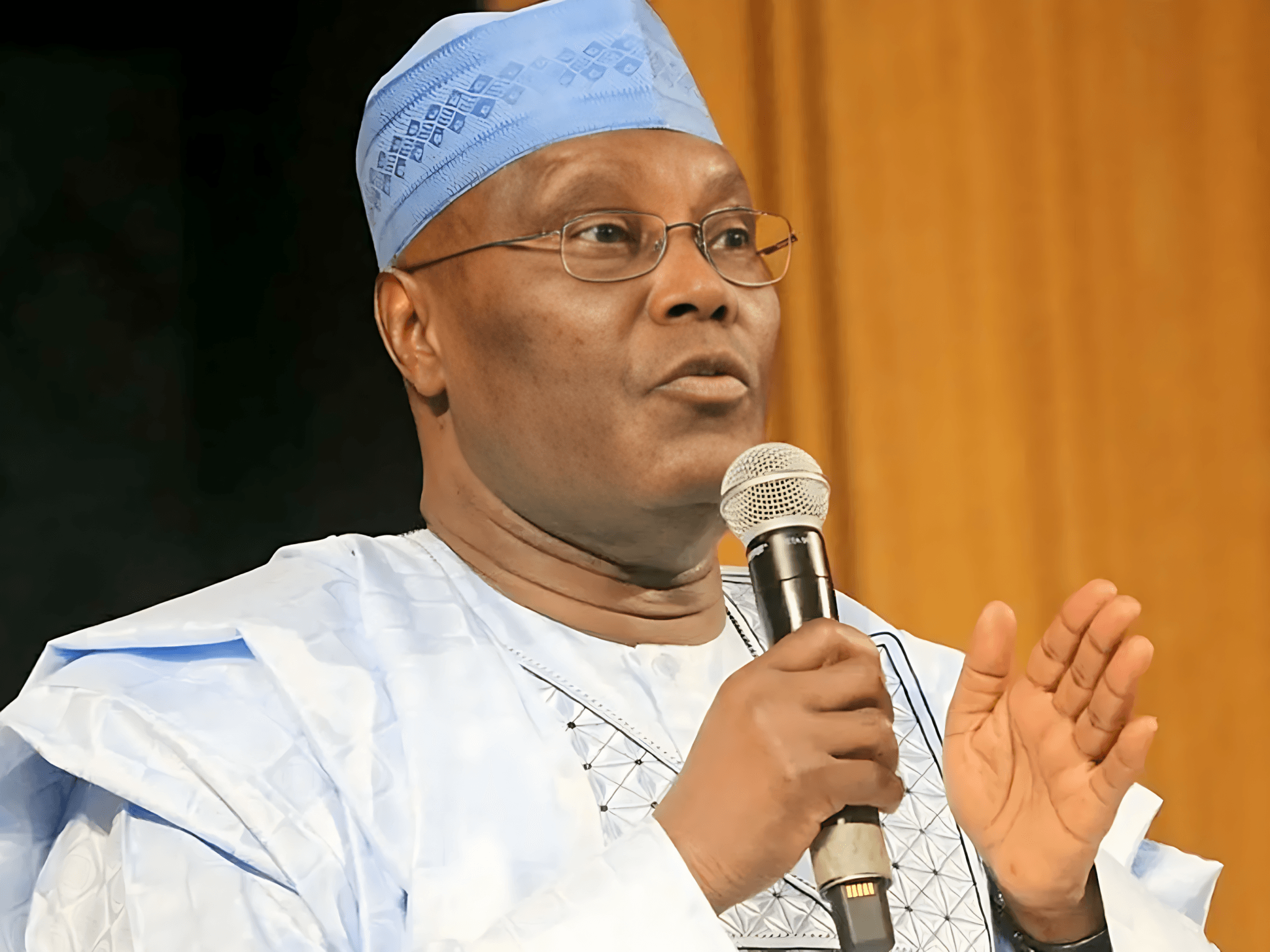
Former Vice-President Atiku Abubakar has criticised the economic policies of President Bola Tinubu, saying Nigerians facing rising food and transportation costs deserve the kind of relief he says Germany is providing to households affected by high fuel prices. Atiku, who is the presidential candidate of the African Democratic Congress, ADC, made the position known in […]
Former Vice-President Atiku Abubakar has criticised the economic policies of President Bola Tinubu, saying Nigerians facing rising food and transportation costs deserve the kind of relief he says Germany is providing to households affected by high fuel prices.
Atiku, who is the presidential candidate of the African Democratic Congress, ADC, made the position known in a statement issued by his campaign’s Director of Strategic Communication, Phrank Shaibu.
The former vice-president said many Nigerian families were struggling with the rising cost of living, including difficulties paying for food and transportation while their incomes were being exhausted before the end of the month.
He also criticised Tinubu’s Independence Day address, arguing that the government’s description of its economic reforms did not reflect the everyday experiences of many Nigerians.
Atiku particularly questioned the President’s description of fuel subsidies as “addictive” and challenged the government’s claim that salaries and pensions were being paid “on time and in full.”
The ADC candidate drew attention to Germany, where the government has introduced a temporary reduction in fuel taxes in response to high petrol and diesel prices.
The German Federal Government says the energy tax on petrol and diesel was reduced by 14 cents per litre from October until the end of 2026. With the corresponding VAT effect, the total relief is about 17 cents per litre, with the overall package valued at approximately €2.5 billion.
Atiku said the German example showed that governments could intervene when fuel prices create pressure on households, arguing that rising petrol prices inevitably affect transportation and the cost of essential goods.
He said Nigerians should receive similar consideration when increases in fuel costs affect their ability to meet basic needs.
Atiku proposed a targeted and budgeted support programme for refined petrol in Nigeria, saying it should be strictly audited and designed to ensure that any government intervention translates into lower pump prices.
He said the proposed support would be restricted to locally refined petrol and would not cover imported petroleum products.
According to Atiku, the policy would also encourage domestic refining and job creation while helping reduce the cost burden on Nigerians.
He said funding could come from reducing waste within government, while safeguards would be introduced to prevent diversion and manipulation of the scheme.
The former vice-president further argued that lower fuel prices could help reduce transportation costs, bring down the prices of goods and increase the amount of money available to households for other needs.
Atiku expressed sympathy for Nigerians experiencing financial hardship, saying government policies should not simply ask citizens to endure the consequences of economic reforms without adequate measures to cushion the impact.
He said his proposed economic approach would focus on domestic fuel production, job creation and reducing living costs, while arguing that government should respond when fuel prices place significant pressure on citizens.