
The Presidency has ruled out a return to petrol subsidy, explaining that the Federal Government’s latest relief plan will instead see the Nigerian National Petroleum Company Limited (NNPC) forgo its retail profit margin to cushion consumers against rising fuel costs. The arrangement, approved by President Bola Tinubu, forms part of a series of measures announced […]
The Presidency has ruled out a return to petrol subsidy, explaining that the Federal Government’s latest relief plan will instead see the Nigerian National Petroleum Company Limited (NNPC) forgo its retail profit margin to cushion consumers against rising fuel costs.
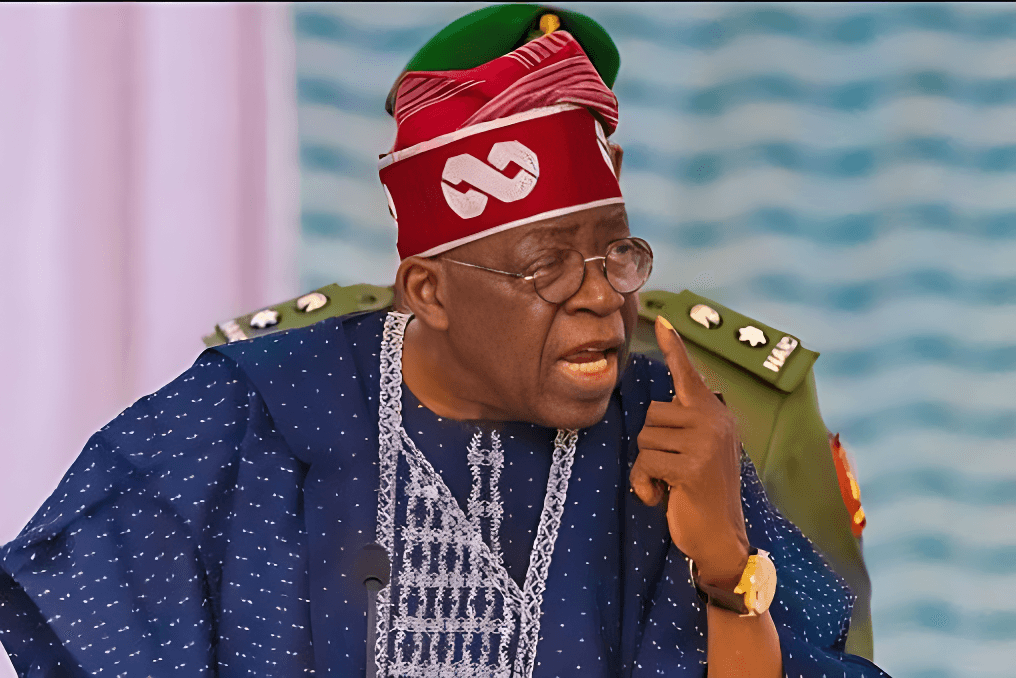
The arrangement, approved by President Bola Tinubu, forms part of a series of measures announced by the government on Thursday in response to global crude oil and petrol price pressures.
In a statement issued by the President’s Special Adviser on Information and Strategy, Bayo Onanuga, the Presidency said NNPC Retail would introduce the new arrangement within 30 days.
Under the plan, the company would sell petrol at its landing cost without adding its retail profit margin. This means that if the landing cost is N1,300 per litre, the same amount would be charged to consumers under the arrangement.
The Presidency emphasised that the intervention was different from the blanket petrol subsidy discontinued on May 29, 2023.
The government is negotiating a N1,350-per-litre ceiling on the ex-gantry or landing cost of petrol to limit sudden increases in fuel prices.
Under the proposed framework, refiners and importers would absorb costs above the ceiling and recover the difference later when crude prices or exchange rates improve.
Finance Minister Taiwo Oyedele said the policy was intended to moderate price movements rather than impose fixed prices on the market.
The proposed ceiling would be reviewed monthly, with adjustments based on prevailing costs and the relevant figures made public.
The government believes the arrangement could offer consumers greater stability by reducing sudden price fluctuations that make household budgeting and business planning more difficult.
Domestic Refiners To Get Forward Crude Supplies
The Federal Government is also planning to sell crude oil forward to domestic refineries as part of its strategy to reduce the effects of global market volatility on local fuel prices.
According to the Presidency, increased domestic production and the release of previously committed crude supplies are expected to support the arrangement.
The measure is intended to improve crude availability for local refining and help reduce exposure to international price shocks.
Other interventions include increased funding for cash transfers to vulnerable households and subsidised credit for small businesses and consumers.
The government is also working with state administrations to expand compressed natural gas deployment, which it says could lower transportation costs if operators pass the savings on to passengers.
The Presidency estimates that compressed natural gas is between 60 and 70 per cent cheaper than petrol.
It further disclosed plans to work with state governments and security agencies to curb road taxes and levies that increase transportation and logistics expenses.
Traffic management agencies are also expected to improve traffic flow in major cities to reduce fuel consumption caused by congestion.
The Presidency said the government was considering an excess profit tax for operators taking undue advantage of consumers across the energy sector.
Proceeds would be directed towards fuel-price relief through transport support or vouchers for urban minimum-wage earners.
The government also intends to collaborate with the National Assembly on enhanced tax relief for low-income earners under the 2027 Finance Bill.
It is simultaneously working to reduce regulatory expenses that contribute to higher business costs and the prices of goods and services.
Another planned intervention involves creating a reserve of refined petroleum products that can be released under published rules when global disruptions or hoarding threaten supply and price stability.
The Presidency insisted that the new measures would not reverse the removal of petrol subsidy, arguing that a blanket return to the former system would create longer-term economic damage.
It cited Nigeria’s previous experiences with fuel scarcity, smuggling, currency instability and fiscal difficulties as reasons against reinstating the policy.
The government said its objective was to ensure that the benefits of economic reforms reached more Nigerians through practical relief measures.
It also announced that a comprehensive package of fiscal interventions was being developed to bring inflation down to single digits sustainably in the near term.
The latest announcement comes amid continuing public concern over fuel prices and the cost of living, with the Nigeria Labour Congress recently issuing a two-week ultimatum demanding cheaper petrol and other economic relief measures.