
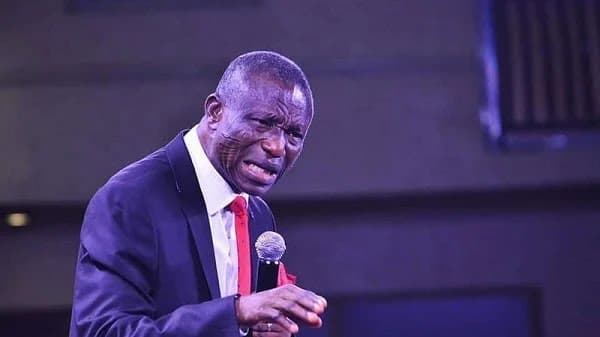
The Pentecostal Fellowship of Nigeria (PFN) has rejected the proposed enforcement of a ban on preaching in commercial buses, insisting that Christians will continue sharing the gospel in public despite the controversy surrounding the move. PFN President, Bishop Francis Wale Oke, made the position known in a viral video, where he urged Christians not to […]
The Pentecostal Fellowship of Nigeria (PFN) has rejected the proposed enforcement of a ban on preaching in commercial buses, insisting that Christians will continue sharing the gospel in public despite the controversy surrounding the move.
PFN President, Bishop Francis Wale Oke, made the position known in a viral video, where he urged Christians not to be intimidated by discussions over the prohibition of preaching in buses and taxis.
According to him, evangelism is a divine assignment given to every believer and cannot be suspended by legislation. He maintained that Christians have a biblical responsibility to preach wherever they have the opportunity, including in commercial vehicles.
Oke declared that no law should stop believers from proclaiming the gospel, arguing that authorities would be unable to arrest or imprison the millions of Christians across the country if they chose to continue evangelising.
He also questioned the priorities of lawmakers, saying the National Assembly should focus on more pressing national challenges such as insecurity, kidnapping, banditry and violent crimes rather than public preaching.
The PFN president argued that Nigerians are facing severe security and economic hardships, adding that legislative attention should be directed toward addressing issues affecting the safety and welfare of citizens instead of restricting religious expression.
The comments come amid public debate over a bill before the National Assembly seeking to regulate activities in commercial vehicles, including preaching, hawking and other forms of solicitation, with supporters arguing that the measure is aimed at improving public order and passenger comfort.
However, the Senate has clarified that the provision prohibiting preaching and hawking inside commercial vehicles is not a new proposal. According to the upper chamber, the restriction has existed under Nigerian law since 2007 and is merely being retained in the current legislative review.
The clarification has done little to calm reactions from religious groups and members of the public, with supporters of unrestricted evangelism insisting that freedom of religion and expression must not be undermined, while others argue that commuters should be protected from unwanted disturbances during their journeys.